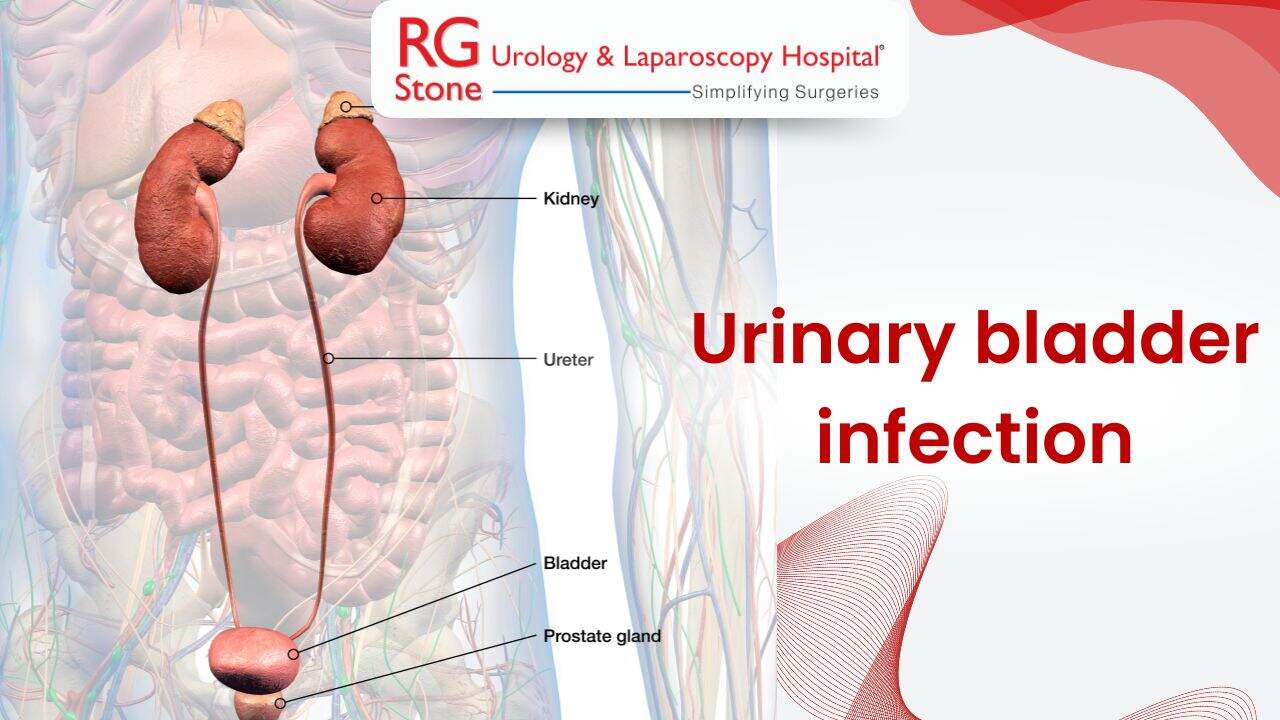
A bigger prostate does not always mean worse urinary symptoms. Men experience prostate enlargement as they grow older, but the symptoms can be very different from one person to another. Some men may have a large prostate and only mild urinary problems, while others with a smaller prostate may have difficulty starting or maintaining urine flow. This happens because of the size, and it is the only factor that can affect urination. You have to understand the difference between prostate size vs. BPH symptoms; it can help you have a clear understanding of why prostate measurements alone do not always show how serious your symptoms are.
Welcome to this blog to understand why a larger prostate does not always cause more severe urinary symptoms and learn about the factors that affect BPH. You will also know which urinary changes may require professional evaluation.
What does BPH mean?
- It simply means Benign prostatic hyperplasia, a noncancerous enlargement of the prostate that becomes more common with age.
- It generally affects the flow of urine, and the symptoms may include having pain when urinating, frequent urination and waking during the night to urinate.
Prostate size vs. BPH symptoms: What should you look at
When assessing BPH, doctors look far beyond physical measurements of the gland. Because size does not correlate directly with how much distress a patient experiences, clinical guidelines state that you should evaluate symptom severity, objective urine flow, and bladder health to guide treatment decisions.
- Your symptoms
Doctors will run an 8-question survey called Subjective Symptom Impact. It tracks issues you have been experiencing over the past month, like a weak stream, waking up at night to pee, or feeling like your bladder isn’t empty.
- When the gland is mild (0-7), they are usually managed with watchful waiting and lifestyle changes.
- When they become moderate, it means it’s time for surgical treatments that help you feel better.
- The flow test
- You have to pee into a special toilet that measures how fast the urine comes out.
- A slow, weak stream tells the doctor there is a physical blockage, no matter how big or small the prostate is.
- Leftover urine
- Just after you pee, the doctor uses a quick ultrasound scan on your belly to see if any urine is left behind.
- If a lot of urine stays in the bladder, it means the bladder muscle is struggling to push past the prostate. This can cause bladder stones or infections.
Comparisons
This prostate size vs BPH symptoms comparison shows why symptoms should not be judged by comparisons alone.
What they measure
- Prostate size
Measures the physical bulk and weight of the gland in centimeters or milliliters (like measuring the size of an apple).
- BPH Symptoms
Measures how well you can pee and how much the condition disrupts your daily life
How doctors test it
- For prostate size, they can use their fingers to examine it or check using an ultrasound scan.
- BPH symptoms: They run an 8-question survey to rate your own bathroom habits over the past month.
What do the results show
- Prostate Size: Only shows how much tissue has grown. It does not show if the tissue is actually blocking the urine tube.
- BPH Symptoms: Shows how hard your bladder is struggling to push urine past the prostate.
How doctors decide on care treatments
- When they are planning treatment options, the prostate size helps them pick the right tool and determines if a specific medication will work or which type of surgery fits your body.
- BPH symptoms help them decide when to start treatment. If your symptoms don’t bother you, doctors usually leave it alone, even if the size is large.
Having knowledge about the difference between prostate size vs. BPH symptoms differences is important because:-
- It prevents unnecessary panic – Knowing these differences ensures you do not worry just because an ultrasound shows a “large” prostate, especially if you feel perfectly fine.
- It stops men from ignoring early warning signs – It alerts you that even a “mildly” enlarged prostate can block urine flow and requires medical attention if your symptoms are severe.
Why doesn’t a bigger prostate always mean worse symptoms?
- If the prostate tissue develops outward away from the centre, the gland can become very large without ever pinching the urinary tube and disturbing your daily activities.
- A very small amount of tissue can grow inward or directly upward into the bladder opening like a cork, blocking urine flow completely even if the overall prostate is small.
- A man’s bladder muscle might be highly resilient and able to push past a large prostate easily, while another person’s bladder might become easily irritated or weak against a minor blockage.
Treatment options
- Watchful waiting – Suitable for men with mild symptoms that do not affect their daily activities.
- Surgery – Procedures such as transurethral resection of the prostate can be recommended when symptoms are serious and medications are not relieving the pain.
The bottom line is that prostate size alone does not determine how serious BPH symptoms will be.
Every person can go through urinary problems differently, even when the prostate enlargement is similar. Factors such as urine flow, bladder function, and the location of the prostate enlargement can influence symptoms. You have to pay attention to changes such as frequent urination, weak urine flow, and difficulties in emptying the bladder.
If you are seeking right guidance regarding prostate size vs BPH symptoms in Ludhiana, you can visit RG Stone Urology & Laparoscopy Hospital, helping you assess your urinary tract. Our health experts provide treatments to patients who are struggling with gallstones, hernia, and urinary tract problems. Dr Charnbir Singh is an expert when it comes to helping patients struggling with kidney stones and prostate diseases that affect your overall health.
References
This information was taken from the National Institute of Digestive and Kidney Diseases and the American Urological Association guidelines, highlighting the difference between urinary problems and providing information on urinary symptoms and treatments.
FAQ’s
- What is the best way to check how bad and serious my BPH is?
Doctors will run a quick test to see how fast you pee and use a quick scan to see how much urine is left in your bladder.
- Can BPH symptoms go away over time?
Yes, they can improve on their own with time, but as for the prostate, they come with age, and the hidden tissues may not improve without appropriate treatment.
- What will happen if I ignore or delay treating BPH symptoms?
You run the risk of transitioning a manageable quality-of-life issue into permanent, structural damage to your urinary system.
- If a man has a large prostate, does it affect his sexual desires?
Yes, it does affect them because visiting the toilet every second obviously drives away sexual desires. It also causes fatigue that naturally affects energy levels, which allows him to give up.
- When should ongoing urinary symptoms need a doctor’s assistance?
When they start to interfere with your sleep and show they are getting worse. It generally tells you to look for medication to protect your kidneys and bladder